DKS ServiceWorks
DKS ServiceWorks
DKS ServiceWorks
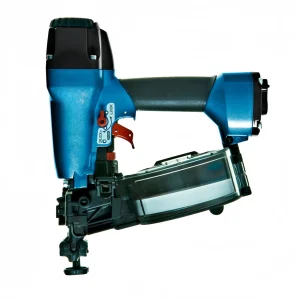
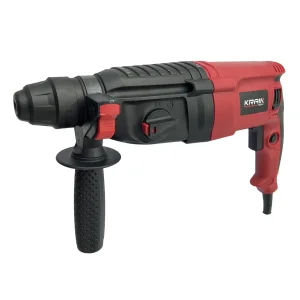
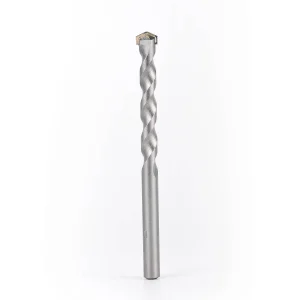
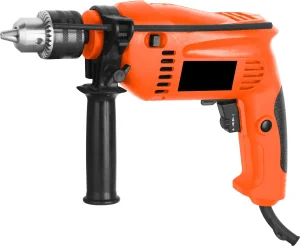
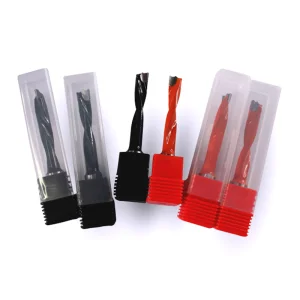
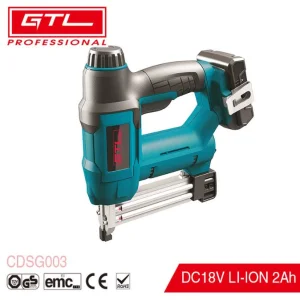
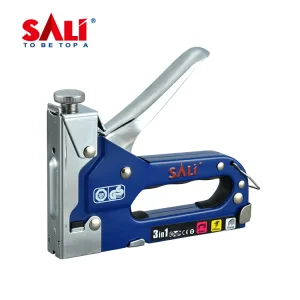
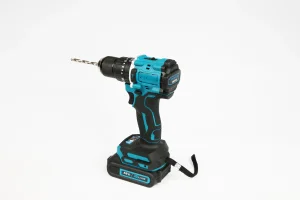
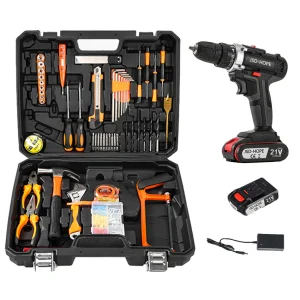
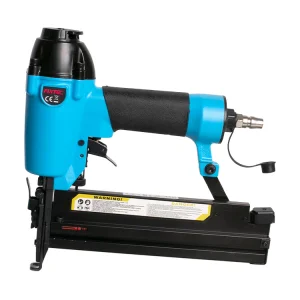
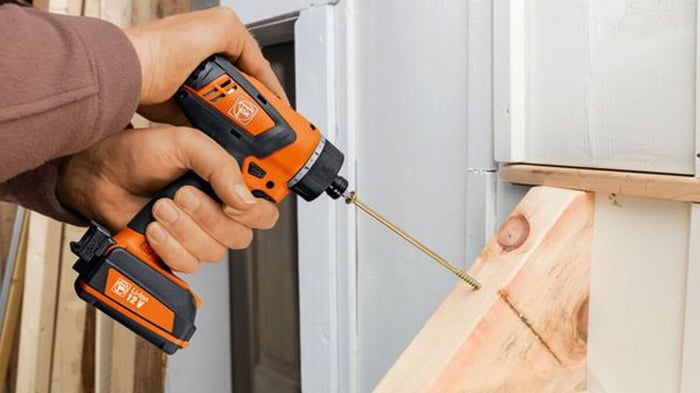
Foshan DKS ServiceWorks Co., Ltd. is a professional manufacturer and supplier of construction tools, specializing in drill bits, nail guns, chisels, and related hardware solutions for global markets. Located in Foshan, China, the company integrates product development, manufacturing, and export services to provide reliable and efficient tools for construction, woodworking, metalworking, and general industrial applications.
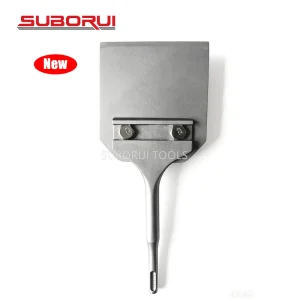
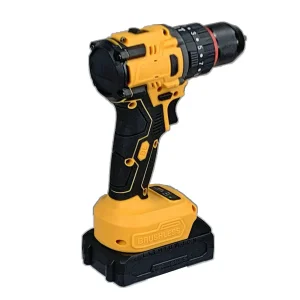
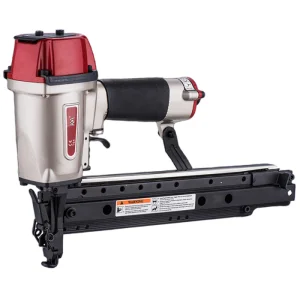
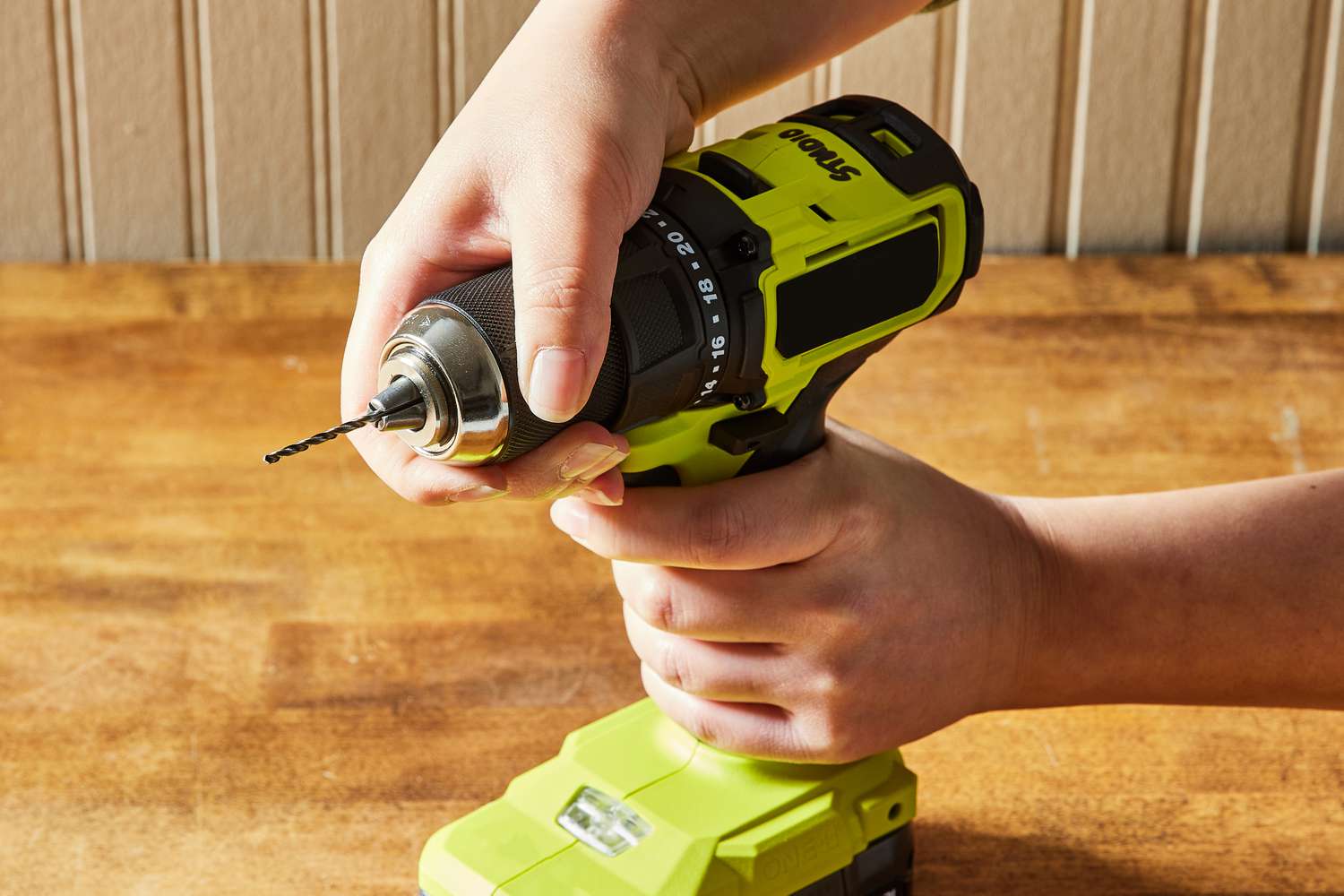
DKS ServiceWorks is committed to delivering high-performance tools designed for durability, precision, and safety. Its product range includes various types of drill bits suitable for wood, metal, and concrete applications, as well as pneumatic and electric nail guns engineered for fastening efficiency in professional environments. In addition, the company provides a wide selection of chisels for cutting, shaping, and material removal tasks across different industries.
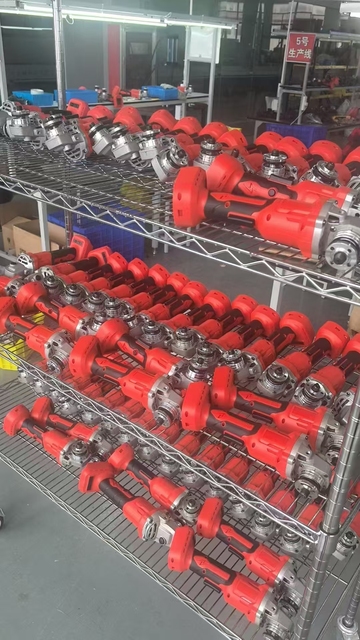
With advanced production equipment and strict quality control systems, Foshan DKS ServiceWorks ensures consistent product quality that meets international standards. The company also supports customization services, allowing clients to specify materials, dimensions, packaging, and branding to meet diverse market needs.
Driven by innovation and customer satisfaction, DKS ServiceWorks focuses on building long-term partnerships by offering competitive pricing, stable supply, and responsive service. The company continues to support contractors, distributors, and retailers worldwide with dependable construction tool solutions tailored for modern industry demands.
The globally expanding construction sector demands finishing tools that match the complexity of modern adhesives. From epoxy grouting in hospital cleanrooms to cementitious grouting in commercial plazas, the physical properties of a grout float determine the execution speed and post-cure aesthetics. Structural changes in polymer science have replaced traditional natural rubber foams with multi-layered, specialized elastomeric composites that retain edge memory even after tens of thousands of linear passes.
Additionally, sustainability regulations are forcing manufacturers to re-evaluate their production inputs. Leading facilities now leverage halogen-free blowing agents for foam expansion, satisfying strict European chemical directives while maintaining target flexibility (Shore A rating of 65 to 70) required for clean beveling of joints.
For institutional buyers, sourcing agents, and hardware distributors, navigating global supply networks requires strict compliance frameworks. In European and aligned global markets, the *Conformité Européenne* (CE) certification acts as an essential gateway indicator of product safety, reliability, and technical alignment.
CE Certification for hand tools such as grout floats and masonry trowels ensures that:
Procuring from factories that prioritize these credentials minimizes the risk of Customs seizures, regulatory fines, and downstream product liability claims. When evaluating Chinese factories, tier-1 purchasers demand comprehensive technical documentation (TC) and declarations of conformity (DoC) before issuing purchase orders.
"In industrial supply chains, compliance is not a checkbox—it is the foundation of market accessibility. A CE certified manufacturing line signifies that the supplier has standardized their raw materials, chemical inputs, and mechanical tolerances to match the highest global metrics."
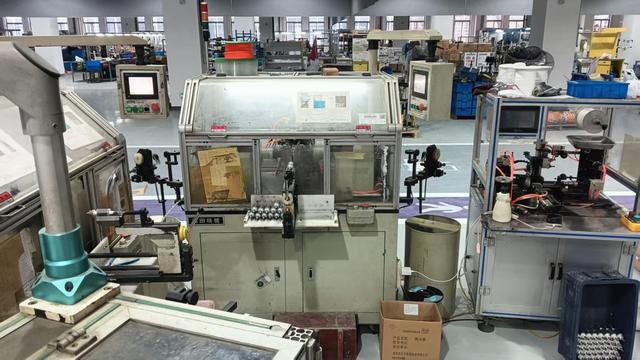
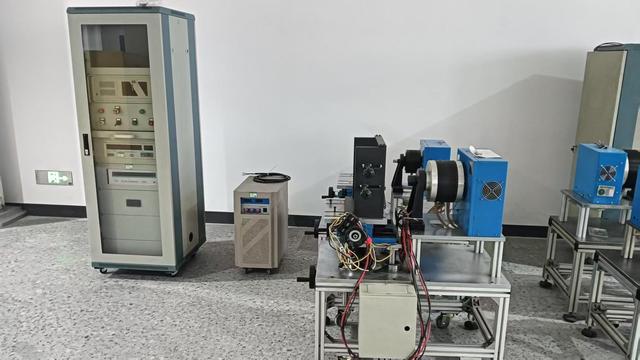
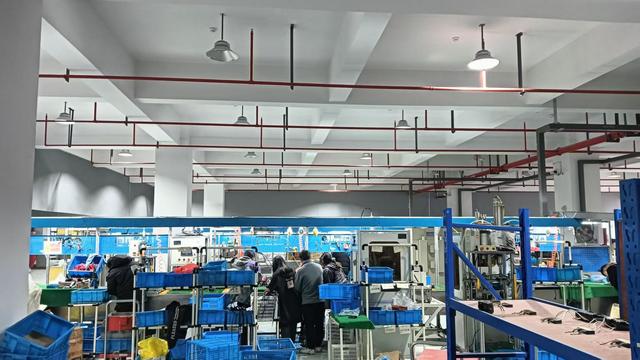
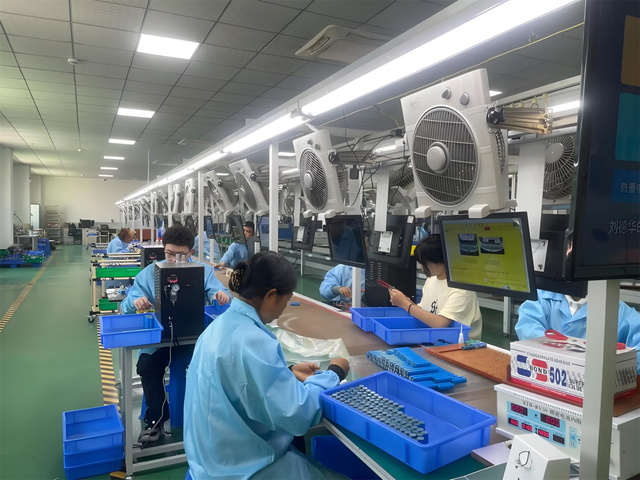
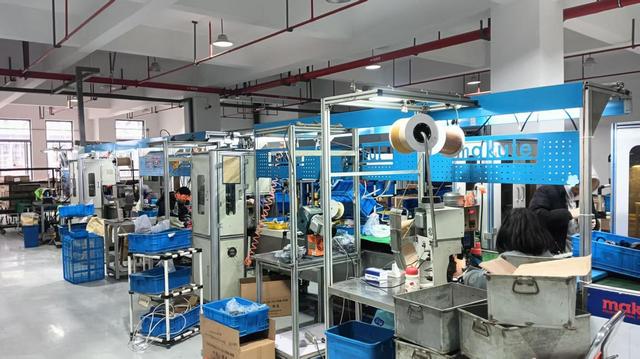
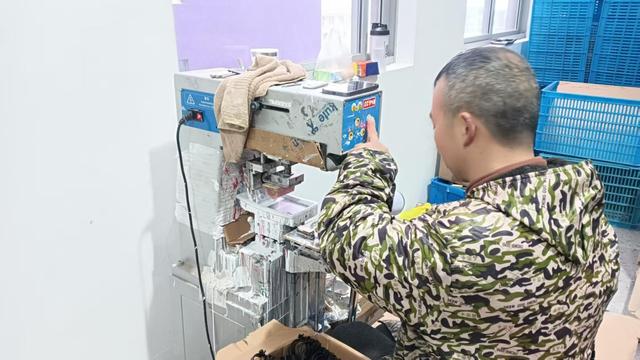
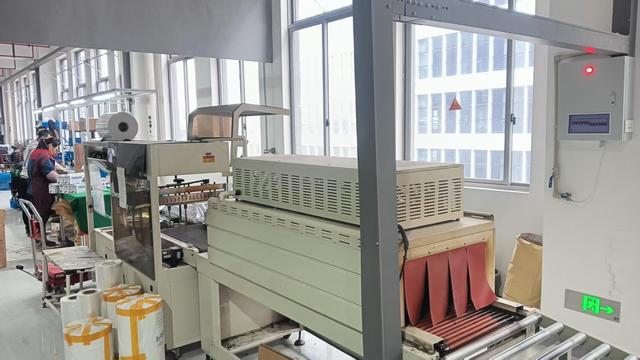
The manufacturing ecosystem in Foshan, China, has transitioned from traditional assembly layouts to highly integrated Factory 4.0 systems. For global importers, this structural transition delivers massive benefits in production efficiency, quality stability, and supply chain resilience.
Furthermore, digital tracking within Factory 4.0 frameworks ensures complete traceability of batches. From the raw resin granules to the packaged pallet, each step is logged, allowing immediate tracking of any issues. This level of quality management is particularly critical for OEM partnerships, where tool specifications must match strict commercial brand standards.
Not all grout floats are engineered equal; matching the tool to the chemical and physical environment of the installation site is critical. Below is a breakdown of typical commercial and industrial tiling scenarios:
For example, epoxy grout installations are notoriously sticky and dry rapidly. The float must feature a non-stick coating and a sharp, dual-beveled edge to scrape excess epoxy off the tile face before it hardens. Conversely, cementitious grouts require a more forgiving, highly elastic cell structure to compress the grit into the joints without washing out the color pigments.
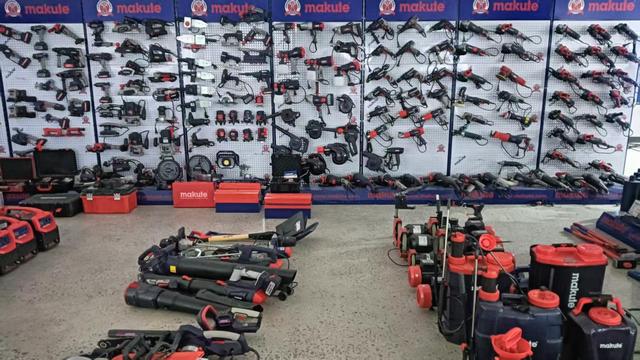
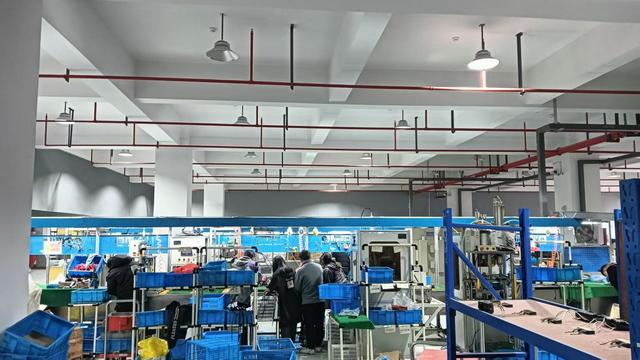
Our OEM pipeline supports custom pad lengths, shapes, and handle colors.