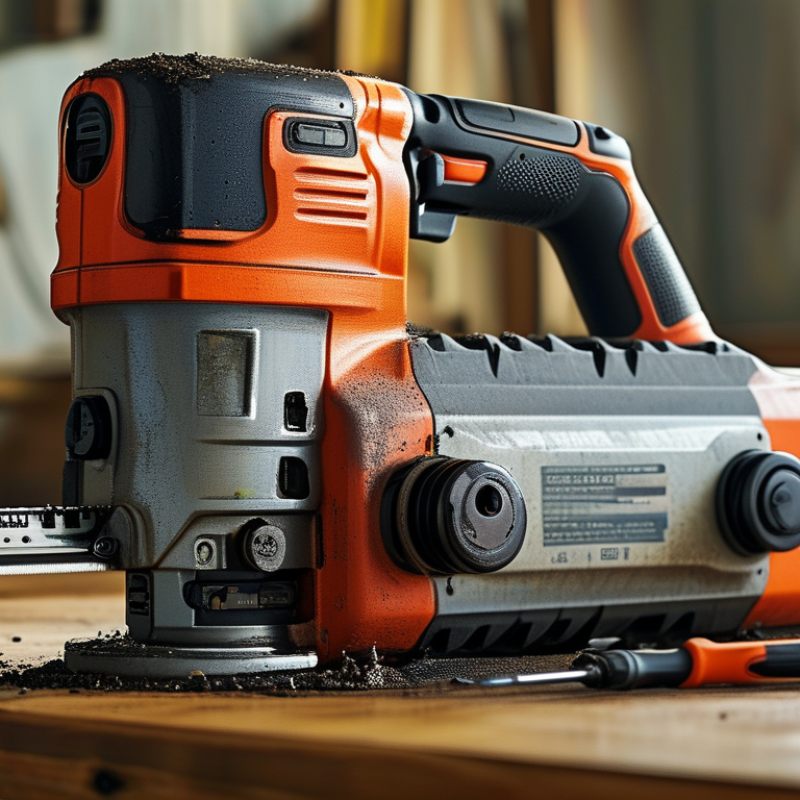
Power tools are essential for both professionals and DIY enthusiasts. They enhance productivity and efficiency in various projects. However, these tools require regular maintenance. Knowing how to maintain power tools for long-term use can significantly extend their lifespan.
Proper maintenance involves cleaning, lubricating, and inspecting tools regularly. Neglecting these tasks can lead to premature wear or breakdowns. For instance, dirt accumulation can cause overheating. Additionally, checking blades and battery health is crucial for optimal performance.
Investing time in maintenance pays off. It ensures safety and reliability during use. By developing a routine, you can avoid costly repairs or replacements. Reflecting on past experiences can help in creating an effective maintenance plan.
Choosing the Right Power Tools for Your Needs
Choosing the right power tools is crucial for any project. You need tools that meet your specific requirements. Different tasks demand different functionalities. A drill might suffice for simple tasks, but you might need a more specialized tool for complex jobs. Consider what you will use the tool for. Think about the frequency of use and the type of materials involved.
Power tools come in various styles and sizes. A lightweight tool can be easier to handle, especially for extended periods. However, heavier tools often provide more power, which can be beneficial for tougher jobs. Take time to compare features. Check the specifications and user reviews. It’s essential to look for durability and ease of use.
Sometimes, we buy tools that we rarely use. It’s easy to get swayed by the latest trends. Reflect on your projects before purchasing. Focus on quality over quantity. Analyze your needs first. Investing in versatile tools can save you money in the long run. Choose wisely, and your projects will be more efficient.
How to Maintain Power Tools for Long Lasting Performance? - Choosing the Right Power Tools for Your Needs
| Power Tool Type |
Maintenance Tips |
Recommended Usage Frequency |
Lifespan Expectation |
| Cordless Drill |
Clean after each use; check battery health; lubricate moving parts. |
Weekly for regular users; Monthly for occasional users. |
5-10 years depending on use and care. |
| Circular Saw |
Inspect and clean the blade; check alignment and acquire a proper blade for the material. |
After every project or heavy use. |
5-15 years based on usage intensity. |
| Jigsaw |
Change blades as needed; keep the shoe clean; lubricate the mechanism. |
After every major job. |
3-10 years depending on care. |
| Angle Grinder |
Inspect power cord; keep the vents clean; check and replace grinding discs. |
Monthly for regular users; Quarterly for others. |
3-8 years based on maintenance. |
| Impact Wrench |
Keep clean; check socket and anvil; lubricate regularly. |
After heavy use; every 6 months for light usage. |
5-10 years depending on maintenance habits. |
Regular Cleaning Techniques for Power Tools Maintenance
Regular cleaning of power tools is essential for maintaining their performance. Dust and debris can accumulate and cause malfunctions. Start by unplugging your tools to ensure safety. Use a dry cloth to wipe exterior surfaces. Pay attention to vents and moving parts, as dirt can hinder their function. Compressed air can be helpful for removing stubborn particles from hard-to-reach areas.
Additionally, inspect the tool for any signs of wear. Check the cords and batteries for damage. A cracked cord can pose safety risks. It’s critical to clean these tools after each use. A quick clean can prevent more extensive maintenance later. While many people forget this step, neglecting cleaning can lead to costly repairs.
Sometimes, despite our best efforts, dirt remains. In such cases, a deeper clean may be necessary. Disassemble components as per the manufacturer’s guidelines. This allows for a thorough cleaning of each section. However, be cautious and take notes on reassembly. If unsure, consulting an expert is always advisable. It’s a common pitfall to overlook this part, but reflective cleaning habits pay off in the long run.
Inspecting and Tightening Parts to Ensure Safety and Efficiency
Maintaining power tools is crucial for safety and performance. A detailed inspection of all parts is vital. Regular checks can prevent accidents and ensure tools run efficiently. According to industry reports, nearly 30% of tool failures can be traced back to loose or damaged components.
During inspections, focus on tightening screws, bolts, and other fasteners. A loose blade or attachment can lead to significant safety hazards. In a survey conducted by the National Safety Council, improper tool maintenance was cited as a contributing factor in over 20% of workplace injuries. Make it a habit to inspect your tools before each use.
Look out for any wear and tear on parts. Frayed cords and worn-out blades might seem minor but can severely affect performance. A study by the Occupational Health and Safety Administration found that regular maintenance reduces tool failure rates by up to 40%. Neglecting these checks can lead to costly repairs or replacements. A small amount of diligence can yield long-term benefits in tool longevity and operational safety.
Tool Maintenance Inspection Frequency
This chart illustrates the recommended frequency of maintenance checks for various power tools to ensure optimal performance and safety throughout their lifespan.
Proper Storage Methods to Extend Tool Lifespan
Proper storage methods are crucial for extending the lifespan of power tools. According to industry research, tools that are stored correctly can last up to 50% longer than those kept in unsuitable conditions. Temperature and humidity play a significant role in tool preservation. Ideally, tools should be stored in a clean, dry place with a stable temperature. Avoid damp areas, as moisture can lead to rust and other deterioration.
Tips for storage: Keep tools in their original cases or invest in toolboxes with foam inserts. This prevents movement during storage and reduces the risk of damage. Additionally, consider using silica gel packets to absorb excess moisture. Over time, even small amounts of humidity can cause significant harm.
Another key factor is organization. A cluttered space can lead to scratches, nicks, and other damage. Group similar tools together, and ensure they are easily accessible. Regular inspections should be a part of your storage routine. Look for signs of wear or damage. Neglecting this can lead to serious equipment failure down the line. Proper storage isn’t just about space; it’s about respecting your tools and ensuring they perform efficiently when needed.
Understanding Repair Needs and When to Seek Professional Help
When maintaining power tools, understanding when to repair them is crucial. Regular inspection helps detect early signs of wear and tear. Common issues include frayed cords, dull blades, and overheating. These problems often indicate it's time for repairs. Neglecting them can lead to more severe damage. Power tools require attention, just like any equipment.
Knowing when to seek professional help is vital. If repairs involve complex electrical issues, it's best to consult an expert. Sometimes, DIY fixes can worsen the problem. Simple tasks, like blade replacement, can be done at home, but intricate repairs need training. Trust professionals to ensure safety and reliability.
Regular maintenance checks are necessary, but recognizing limits is key. If a tool starts malfunctioning frequently, it might be a sign of bigger issues. Reflecting on performance helps in decision-making. A reliable tool is an investment. Keeping it in top shape takes effort and sometimes professional intervention. Take the time to evaluate needs carefully.
FAQS
: Regular cleaning ensures optimal performance by removing dust and debris that can cause malfunctions.
Always unplug your tools first to ensure safety before beginning the cleaning process.
A dry cloth works well for wiping the exterior surfaces of power tools.
Compressed air can effectively remove difficult particles from hard-to-reach areas.
Check for wear on cords and ensure that all components are securely tightened.
Make it a habit to inspect your tools before each use to prevent accidents.
Many overlook tightening screws and bolts, which can lead to safety hazards.
Store tools in a clean, dry space with stable temperature to avoid rust and damage.
Consider using silica gel packets to absorb excess moisture in storage areas.
A cluttered space increases the risk of scratches and damage, affecting tool performance.
Conclusion
Maintaining power tools for long-term use is crucial for achieving optimal performance and ensuring safety. To start, selecting the right power tools based on your specific needs lays the foundation for successful use. Regular cleaning is essential; it prevents dust and debris from accumulating, which can hamper functionality. Additionally, inspecting and tightening parts regularly helps ensure that tools operate efficiently and safely.
Proper storage methods, such as keeping tools in a dry, organized space, can significantly extend their lifespan. Lastly, understanding when to seek professional repair services is vital to address any issues before they escalate. By following these guidelines on how to maintain power tools for long-term use, you can enhance their durability and effectiveness, ultimately saving you time and money.
 DKS ServiceWorks