Choosing the right tool for your drilling needs can be challenging. Professionals and DIY enthusiasts often face the question: what is the difference between hammer drill and rotary hammer? Understanding this difference is essential for effective and safe use of these tools.
According to the Power Tool Institute, hammer drills are suitable for general tasks such as drilling into wood and light masonry. They deliver rapid bursts of power which assist in breaking through tougher materials. However, rotary hammers excel in heavier-duty applications. They feature a piston mechanism that provides more force, making them ideal for concrete and stone work.
Data from industry reports indicate that 75% of construction professionals prefer rotary hammers for large projects. Yet, many still opt for hammer drills due to their versatility and compact design. This invites reflection on your specific needs. Assessing your tasks can lead to better tool selection, minimizing wasted time and effort. To make informed choices, consider the type of projects you tackle most frequently. Understanding these differences ultimately ensures efficiency and effectiveness in your work.
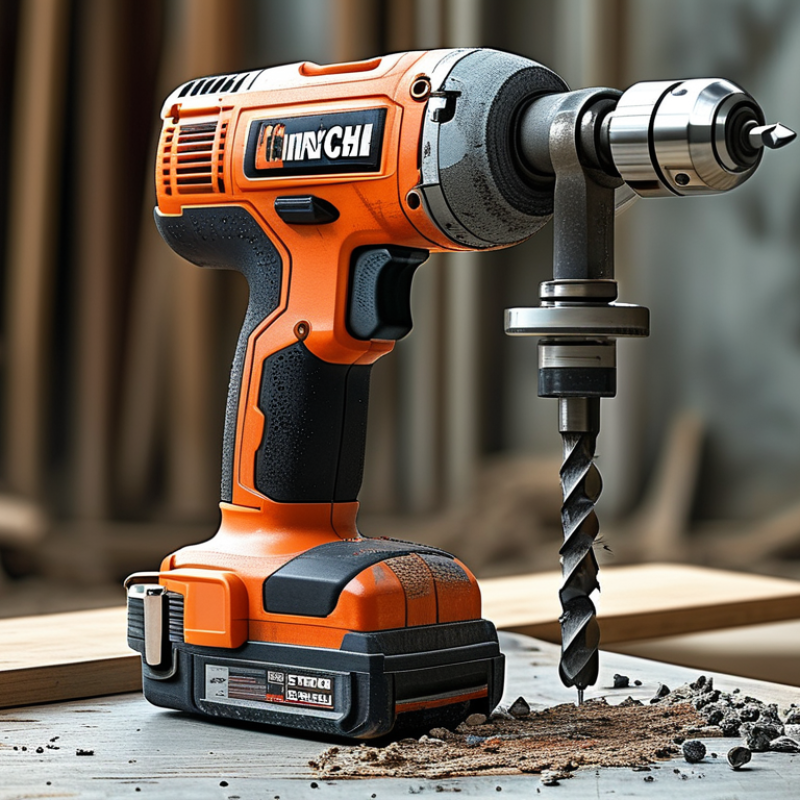
Understanding Hammer Drills and Rotary Hammers
When comparing hammer drills and rotary hammers, it is essential to understand their specific functions. Hammer drills are versatile tools, ideal for lighter tasks. They perform well in drilling into wood, metal, and masonry. Their compact design often makes them the go-to for DIY enthusiasts. According to a 2022 industry report, hammer drills account for approximately 40% of the portable drill market.
On the other hand, rotary hammers are designed for more intense applications. These tools use a pneumatic mechanism to deliver stronger impacts. As a result, they excel in breaking through concrete and dense materials. Industry data reveals that rotary hammers have seen a growth rate of around 15% annually, primarily driven by construction and heavy-duty maintenance work.
In practical applications, users often find that the weight and power of rotary hammers can lead to fatigue during prolonged use. Such experiences highlight the need to choose the right tool for the job. Many professionals reflect on their tool choices based on the tasks they tackle frequently. Balancing power and portability can be challenging, reminding users that each tool has its niche.
Key Differences Between Hammer Drills and Rotary Hammers
When it comes to construction and renovation tasks, understanding the tools at your disposal is essential. Hammer drills and rotary hammers are both powerful tools, but they serve different purposes. According to a report by the Construction Industry Institute, hammer drills are better suited for lighter tasks, such as drilling into wood or soft masonry. They can generate a hammering action, but their rotational force is primarily designed for user-friendly applications.
In contrast, rotary hammers excel in heavy-duty scenarios. With a significant increase in impact energy, they can penetrate hard materials like concrete and granite. Industry studies indicate that rotary hammers deliver between 1.5 to 25 joules of power, dramatically enhancing efficiency. Many contractors suggest that rotary hammers are preferred for extensive demolition tasks. They reduce the fatigue workers experience when cutting through tougher materials.
Despite the strengths of each tool, user experience highlights the importance of selecting the right one for the task. Many inexperienced users may choose a hammer drill for a job that demands a rotary hammer. This choice often leads to inefficiency and frustration. Professionals emphasize the need to evaluate the job at hand, reassessing tool choices regularly to optimize results in construction settings.
Applications and Use Cases for Hammer Drills
When considering applications for hammer drills, it's essential to understand their strengths. Hammer drills are versatile tools. They excel in boring holes into concrete, brick, and masonry. For most DIY projects, this tool is sufficient to handle light to medium-duty tasks. Hanging shelves or installing fixtures? Hammer drills can manage these jobs effectively.
However, it's crucial to acknowledge their limitations. Hammer drills can struggle with tougher materials. Thick concrete or large diameter holes may require more power. In such cases, a rotary hammer is a better choice. This tool uses a more robust mechanism, making it suitable for heavy-duty tasks like demolition work.
**Tips:** Always wear safety gear when using hammer drills. Dust can be a problem, so consider using a vacuum attachment. Understand the material you are working with; this determines the tool to use. A little research will go a long way in achieving the desired results.
Applications and Use Cases for Rotary Hammers
Rotary hammers are powerful tools commonly used in construction and demolition. Their ability to perforate concrete and masonry makes them essential for heavy-duty tasks. Unlike standard hammer drills, rotary hammers use a piston mechanism. This design generates a strong impact force, making it easier to break through tough materials. For professionals, this efficiency is crucial when working on large-scale projects.
Applications for rotary hammers are diverse. Contractors use them to install anchors, perform structural repairs, and break up concrete slabs. Their effectiveness shines in drilling large holes for plumbing and electrical work. In DIY home renovations, they can help with demolishing old walls or flooring. However, using a rotary hammer requires caution. The power and force can be overwhelming for inexperienced users, leading to potential mishaps.
Despite their advantages, rotary hammers may have limitations. The weight can be cumbersome, causing fatigue during extended use. Some users might find it challenging to control the tool accurately, especially in tight spaces. Choosing between a rotary hammer and a hammer drill depends on the specific task at hand. Each tool has distinct benefits, and understanding these can improve project outcomes.
Hammer Drill vs Rotary Hammer Best Difference Explained
| Feature |
Hammer Drill |
Rotary Hammer |
| Power Source |
Electric or Cordless |
Electric (Corded or Cordless) |
| Impact Mechanism |
Single action |
Dual action (Pneumatic) |
| Typical Applications |
Drilling into wood, metal, and masonry |
Heavy-duty drilling into concrete and masonry |
| Weight |
Lightweight (3-5 lbs) |
Heavier (7-15 lbs) |
| Speed |
Higher RPMs |
Lower RPMs but higher BPMs |
| Cost |
Lower cost |
Higher cost |
| User Level |
DIYers and light users |
Professionals and heavy users |
Choosing the Right Tool for Your Project
When tackling drilling projects, selecting between a hammer drill and a rotary hammer can be crucial. Each tool serves different purposes, making it essential to align your choice with the project's needs. Hammer drills operate by vibrating while spinning, making them reliable for smaller tasks like drilling into wood or softer masonry. Conversely, a rotary hammer is designed for heavy-duty work. It delivers powerful impacts along with the drill's motion, ideal for concrete and tougher materials.
Consider the scope of your project. If you're planning to install shelves in brick walls or drilling through ceramic tiles, a hammer drill might suffice. However, more extensive renovations, such as breaking through thick concrete for plumbing, require the robust force of a rotary hammer. It’s essential to think about your experience level, too. If you’ve never used a rotary hammer, the learning curve can be steep. Each tool has its quirks and benefits. Sometimes, the choice isn't clear-cut. Experimentation might be necessary to truly understand the right fit for your tasks.
FAQS
: Hammer drills are suited for light tasks, while rotary hammers excel in heavy-duty applications like concrete work.
Use a hammer drill for drilling into wood or soft masonry, such aswhen hanging shelves or installing fixtures.
Rotary hammers are ideal for tasks like drilling large holes, breaking concrete slabs, and structural repairs in construction.
No, hammer drills struggle with tough materials. For thick concrete or large diameter holes, consider using a rotary hammer.
Inexperienced users may incorrectly choose a hammer drill for heavy tasks, leading to inefficiency and frustration on jobs.
Always wear safety gear and consider a vacuum attachment to manage dust while operating hammer drills or rotary hammers.
Yes, rotary hammers can be heavy and cumbersome, causing fatigue and difficulty controlling the tool in tight spots.
Absolutely. Understanding the specific requirements of your project helps in choosing the right tool for better results.
Conclusion
When considering power tools for drilling and chipping, it's essential to understand what is the difference between hammer drill and rotary hammer. Hammer drills are primarily designed for drilling into hard surfaces like concrete and masonry with a hammering action that enables them to break through tough materials while spinning. In contrast, rotary hammers are more powerful tools that utilize a piston mechanism to deliver stronger hammering force, making them suitable for heavy-duty applications such as breaking up concrete or drilling deep holes.
The applications for these tools vary significantly: hammer drills are ideal for smaller projects like hanging shelves or installing fixtures, while rotary hammers excel in construction settings where larger-scale tasks, like demolition or extensive drilling, are required. Choosing the right tool depends on the demands of the project at hand, ensuring efficiency and effectiveness in completing the job.
 DKS ServiceWorks
