DKS ServiceWorks DKS ServiceWorks

Top 10 Materials That Need Special Drill Bits For Your Projects

Time:2026-05-31 Author:Sophia
0%

In construction and DIY projects, choosing the right tools is crucial for success. When it comes to drilling, different materials demand specific drill bits. Understanding what materials require special drill bits is essential for achieving clean and efficient results.

Some common materials, like wood and plastic, may seem straightforward. However, harder materials such as metal, glass, or ceramic present unique challenges. Using the wrong drill bit can lead to frustration or even damage. For instance, drilling into glass without the right bit can cause it to shatter.

Crafting projects also involve specialized materials like composite materials and concrete. These materials may require unique drill bits to avoid cracking or breaking. A poorly executed hole can compromise the integrity of your work. Overall, selecting the appropriate drill bit not only improves project quality but also enhances safety. Understanding these distinctions is key to any successful endeavor.
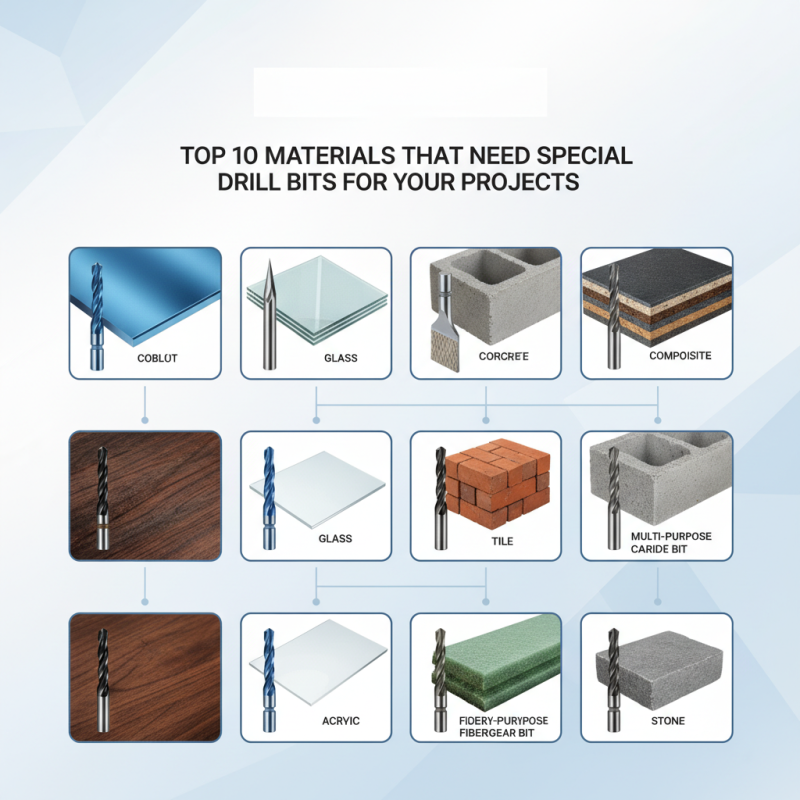
Top 10 Materials That Need Special Drill Bits For Your Projects

Types of Drill Bits for Woodworking Projects

When embarking on woodworking projects, having the right tools is crucial. Drill bits are a vital component in achieving clean and precise holes in wood. There are various types of drill bits, each tailored for specific tasks. For instance, twist bits are versatile while spade bits are ideal for larger holes.

Choosing the right bit can impact the quality of your work. Ensure that the bit you select corresponds to the type of wood you are using. Hardwoods might require sharper bits, as softer woods can be drilled with standard options. Pay attention to the angle of the drill bit tip; a sharper angle helps in penetrating the material more easily.

Tips for success in woodworking include experimenting with different bits on scrap wood. This can help gauge the best options for your project. Always maintain a steady hand and consistent pressure while drilling. Avoid forcing the bit, as this can lead to tear-out or stripped holes. Taking the time to adjust your technique can yield better results.

Specialized Drill Bits for Metalworking Applications

When it comes to metalworking, specialized drill bits are essential. Regular bits simply won't cut through tough metals like stainless steel or titanium. Specialized designs, like cobalt or carbide tipped bits, provide the durability needed. These bits can handle high temperatures, ensuring longevity during intense drilling tasks.

Consider the type of metal you are working with. Each metal has unique properties that affect drilling. For instance, softer metals like aluminum require different bit designs compared to harder metals. A project might seem simple, but the wrong drill bit can ruin your progress. You may face issues like overheating or bit breakage. Choosing the right drill bit is crucial for achieving clean holes without damaging the material.

Sometimes, even experienced craftsmen overlook the importance of their tools. They may stick to one type of bit, leading to frustration and inefficiency. Reflecting on past projects can help identify these patterns. Learning from mistakes is part of the journey in metalworking. Understanding the specific needs of your project allows for better planning and execution.

Essential Drill Bits for Masonry and Concrete Materials

When working with masonry and concrete, using the right drill bits is crucial. Standard bits simply won’t cut it. For concrete, specialized masonry bits are designed with a carbide tip. This allows them to penetrate tough surfaces effectively. They typically feature a spiral design, which helps remove debris as you drill deeper.

Additionally, hammer drill bits are essential for tackling tougher jobs. These bits combine rotary motion with a hammering action. It makes drilling into hard materials easier. Consider using a core bit for larger holes. These create precise openings in masonry. They are perfect for installation tasks or plumbing projects.

However, remember that using the wrong bit can lead to frustration and poor results. It may cause damage to both the material and your tools. Choosing the right type requires research and sometimes trial and error. Don’t hesitate to seek advice from professionals who understand these applications. Their experience can guide your selection process. This ensures you achieve the best outcomes in your projects.

Unique Drill Bits Needed for Glass and Ceramic Projects

When working on glass and ceramic projects, choosing the right drill bits is crucial. Standard drill bits can cause cracks and shattering. Therefore, specialized bits are necessary for these fragile materials. Diamond-tipped bits excel at drilling glass. They offer precision and minimize damage. According to a 2021 industry report, using the correct drill bit can reduce breakage by 80%. This makes them an indispensable tool for glass artisans and DIYers alike.

Ceramic materials require a different approach. Carbide-tipped bits provide durability and effectiveness. These bits are designed to handle the hardness of ceramic without dulling quickly. Creative projects often involve intricate designs. Using the wrong bit can lead to uneven surfaces and wasted materials. A recent survey indicated that 70% of crafters experienced difficulties due to improper tools. This highlights the need for awareness in selecting drilling equipment.

Understanding your material is essential for success. Different drills respond uniquely to varying densities and compositions. Many craftsmen overlook this critical factor. By equipping yourself with the right information and tools, you can achieve better results. Each project becomes an opportunity to refine your skills. Remember that the right drill bit is not just a tool; it’s a key to achieving your desired outcome.

Choosing the Right Drill Bit for Plastic and Composites

When working with plastic and composite materials, selecting the right drill bit is crucial. These materials are often softer but can be prone to melting or chipping. A specialized drill bit designed for these materials can prevent damage to your project. High-speed steel bits with a sharp point work well. Alternatively, step bits can help create larger holes without applying excessive pressure.

Tips: Always drill at a lower speed. This reduces heat and prevents melting. Cooling the bit with water can also help maintain its integrity. Ensure that the bit is clean before starting. Dirt can cause unnecessary friction and wear.

Pay attention to the angle of the drill bit. A more aggressive angle can help in slicing through plastic. However, too steep an angle may cause the bit to grab and break. Practice on scrap materials before your main project. Adjusting your technique based on your material ensures successful results. Remember, sometimes mistakes happen. Reflecting on them can help improve your skills.

FAQS

: What types of drill bits are best for woodworking?

: Twist bits are versatile; spade bits are better for larger holes. Choose based on the wood type.

How should I select a drill bit for hardwoods?

Use sharper bits for hardwoods. Softer woods require standard options. Angle matters too.

What is a good practice before starting a woodworking project?

Experiment on scrap wood to find the best bit. It helps gauge effectiveness for your project.

Why should I avoid forcing the drill bit while working?

Forcing can lead to tear-out or stripped holes. Steady pressure yields cleaner results.

What kind of drill bits are needed for masonry?

Specialized masonry bits with carbide tips are essential. They penetrate tough surfaces effectively.

How do hammer drill bits function?

They combine rotary motion with hammering. This makes drilling into hard materials easier.

What should I do if I choose the wrong bit?

It can cause material damage and frustration. Take time to research and adjust your selection.

What drill bits work best for plastic?

High-speed steel bits with sharp points are ideal. Step bits can help for larger holes.

How can I prevent melting when drilling plastic?

Drill at a lower speed and consider cooling the bit with water. Clean bits reduce friction.

What should I do if mistakes happen while drilling?

Reflect on mistakes to improve skills for future projects. Adjust techniques based on experiences.

Conclusion

When embarking on various DIY projects, understanding what materials require special drill bits is crucial for achieving the best results. For woodworking, specific drill bits designed for different wood types can enhance precision and minimize damage. Metalworking applications demand specialized bits that handle the hardness and conductivity of metals, ensuring clean cuts without slipping or damaging the material.

Masonry and concrete materials necessitate robust drill bits that can withstand high pressure and impact, while glass and ceramics require unique designs to prevent chipping and shattering during drilling. Lastly, when working with plastic and composites, it's important to choose bits that prevent melting and ensure a smooth finish. By selecting the appropriate drill bits for each material, you can improve efficiency and precision in your projects.

Sophia

Sophia

Sophia is a dedicated marketing professional with an exceptional depth of knowledge about her company's products and services. With a keen understanding of market trends and customer needs, she crafts insightful blog posts that not only inform but also engage readers, enriching the company’s online......